CR-WASH infrastructure
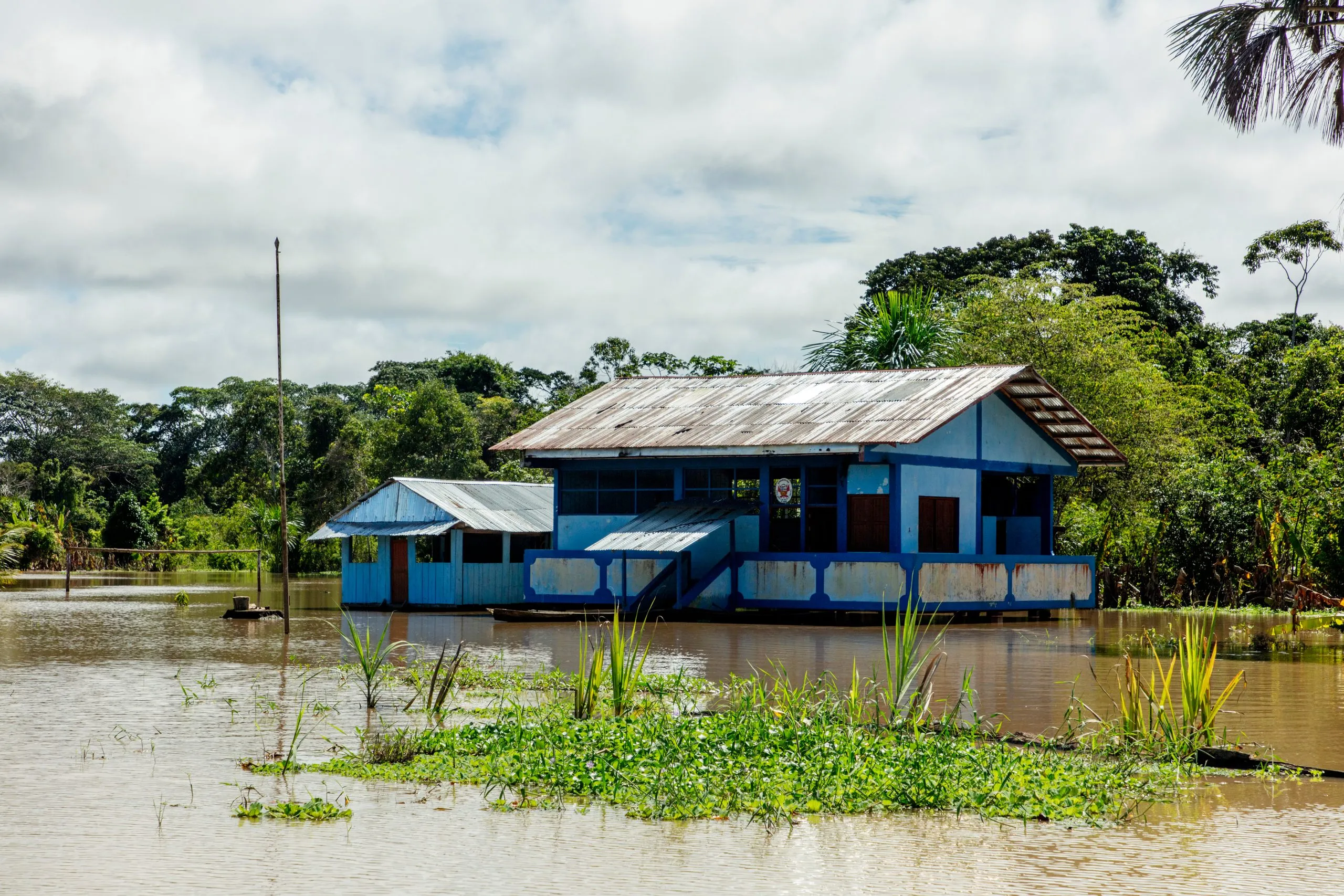
We implement climate-resilient water and sanitation systems (CR-WASH), designed for the real conditions of the Amazonian territory.
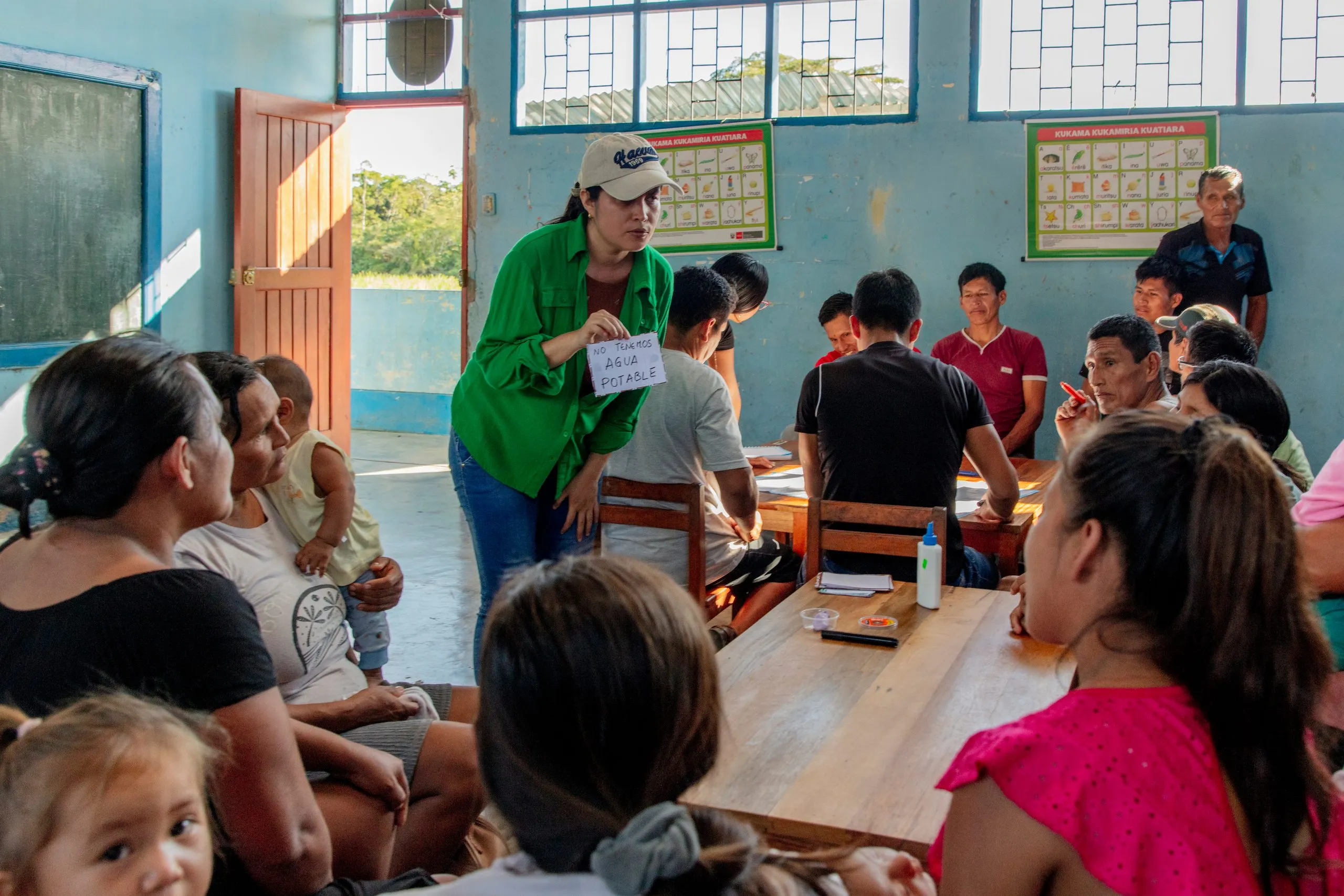
The problem
Loreto covers 28% of Peru’s territory (an area as large as Germany), yet its capital has no road connection to the rest of the country and most communities can only be reached by river. In a territory like this, conventional water and sanitation systems fail because they cannot be maintained: they need fuel, have parts that break easily and require technically trained operators.
The result?
Only 9.8% of rural communities in the Amazon have well-functioning water systems, according to the Diagnosis of Water Supply and Sanitation in Rural Areas (DATASS). And the problem grows more urgent every year: climate calendars are increasingly unpredictable, with more frequent and intense extreme events.
What will we do?
We design and implement drinking water and sanitation systems built for the Amazon, together with our technical partner AguaClara Reach, an international organization that develops gravity-powered water treatment technologies that need no electricity. They are simple systems, with no fuel or hard-to-replace parts, that communities themselves can operate and maintain.
Why does it matter?
Safe water and sanitation every day of the year are an enabling condition: families take better care of their health and the community has a service it runs itself, without depending on outside technicians.
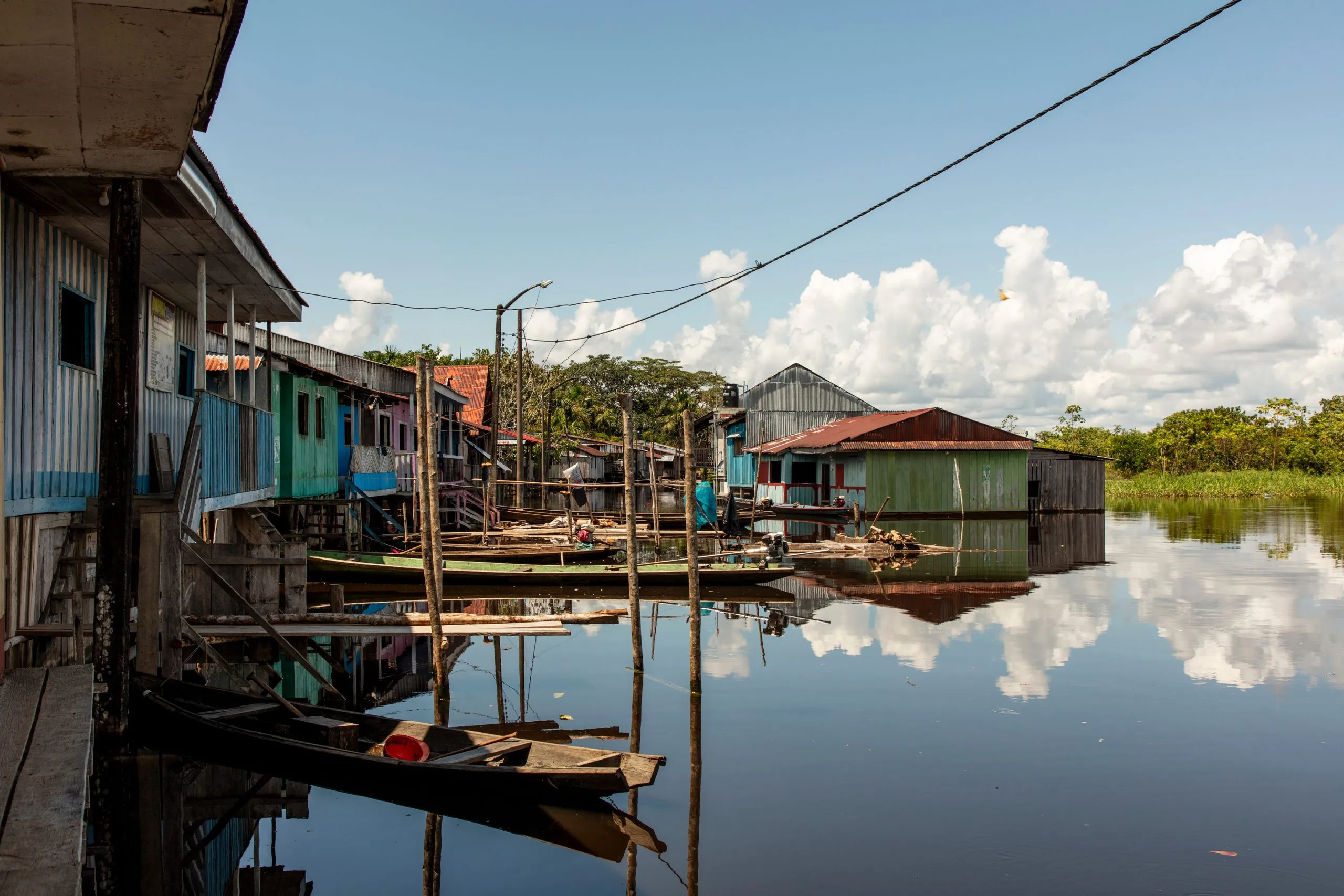

Water Guardians
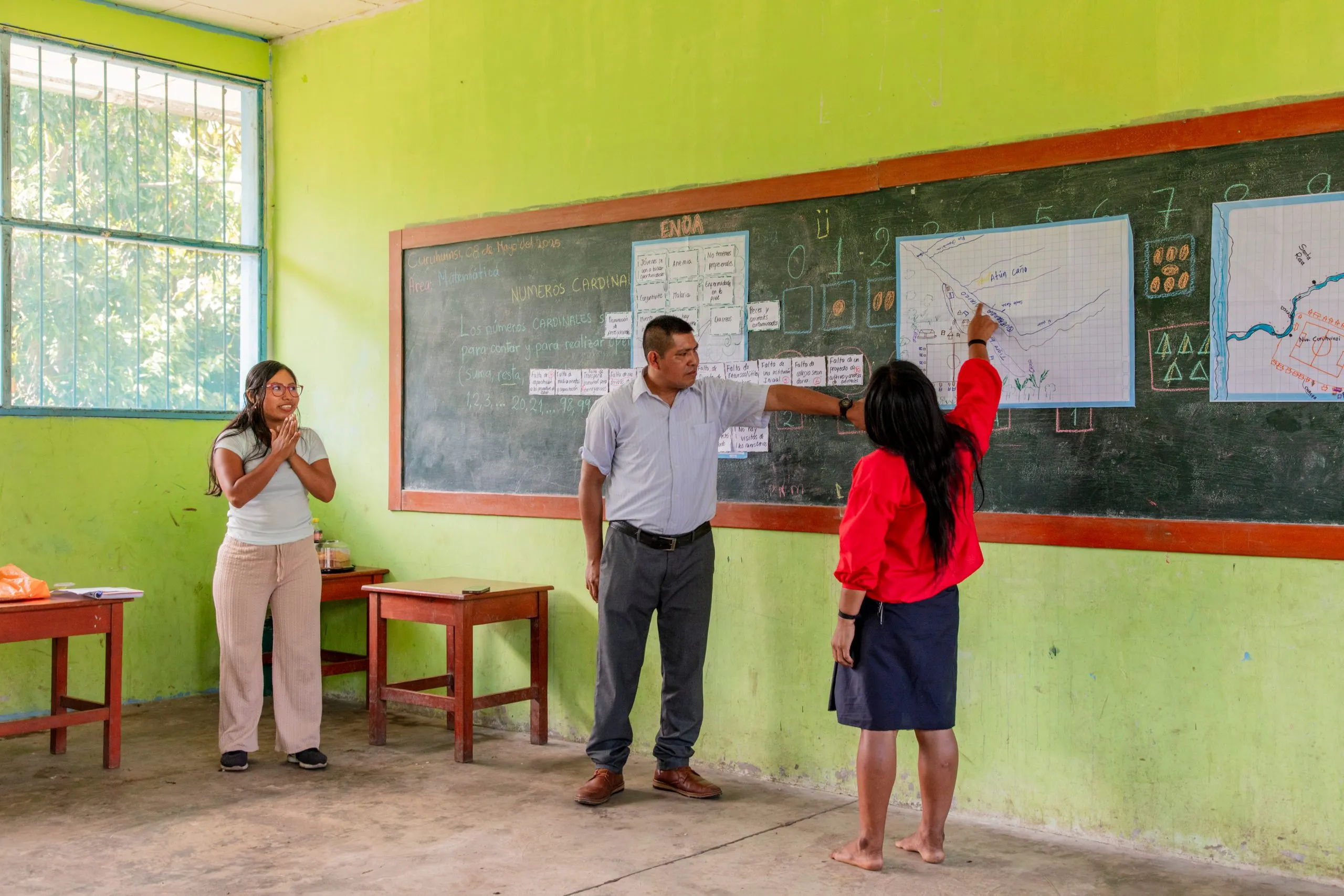
Local governance
We strengthen communities to manage their water and sanitation systems (grey infrastructure) and care for the ecosystem their water depends on (green infrastructure), through a community organization that maintains them and is responsibly accountable.
Ecosystem protection
We promote solutions that strengthen water security and ecosystem conservation in the face of climate variability. We support residents in monitoring and protecting the watershed their water depends on.
Cultural identity
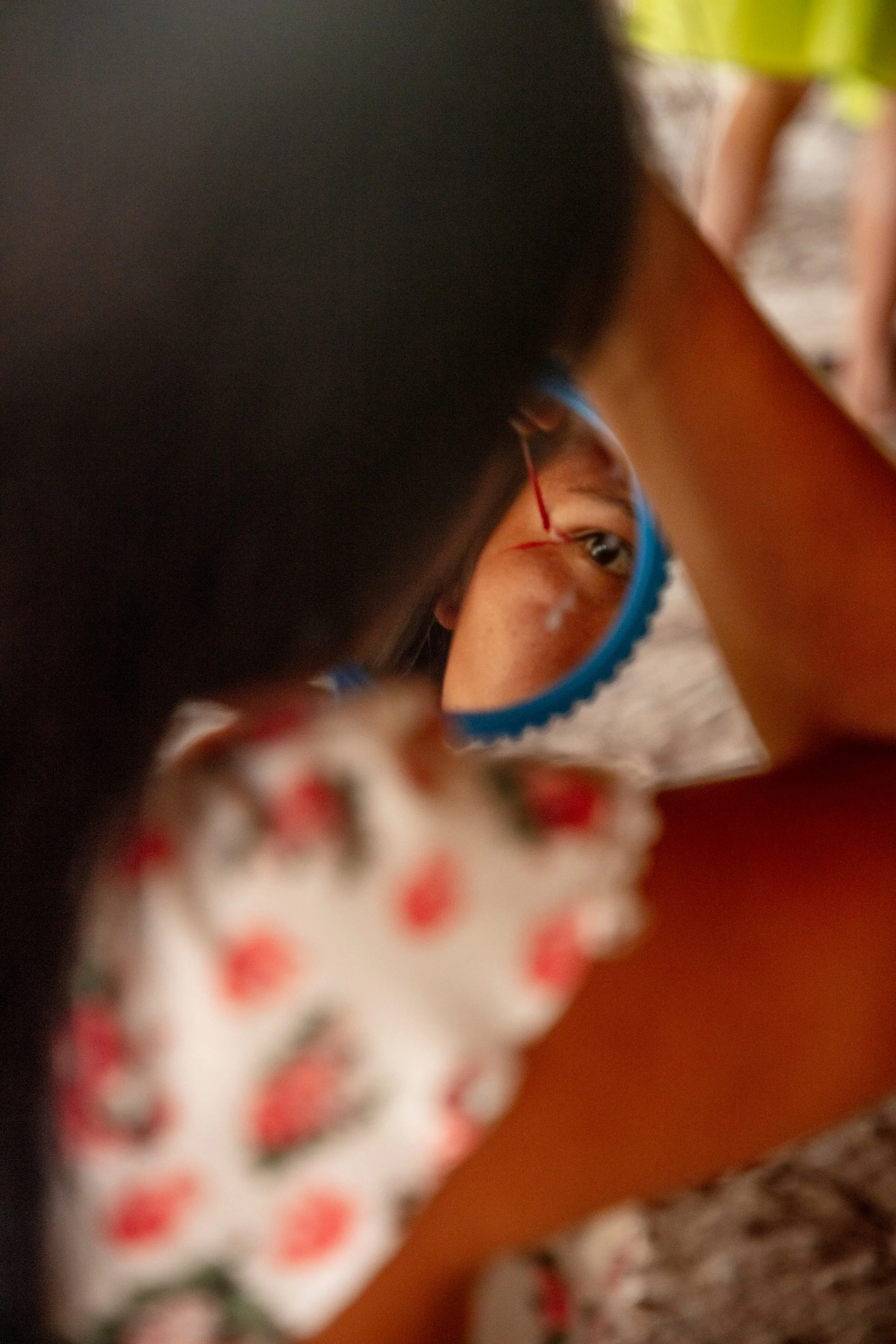
Communities tell their own story through art: photography, exhibitions, residencies and immersive media. In this way, the contemporary reality of the Amazon reaches audiences around the world.