Water Guardians
Our territorial platform builds governance through community well-being and ecosystem transformation. It is built on three mutually reinforcing levels: community, regional network and public policy. At all three, water and sanitation are the enabling condition for communities to manage and care for their territory.
Level 1: Community
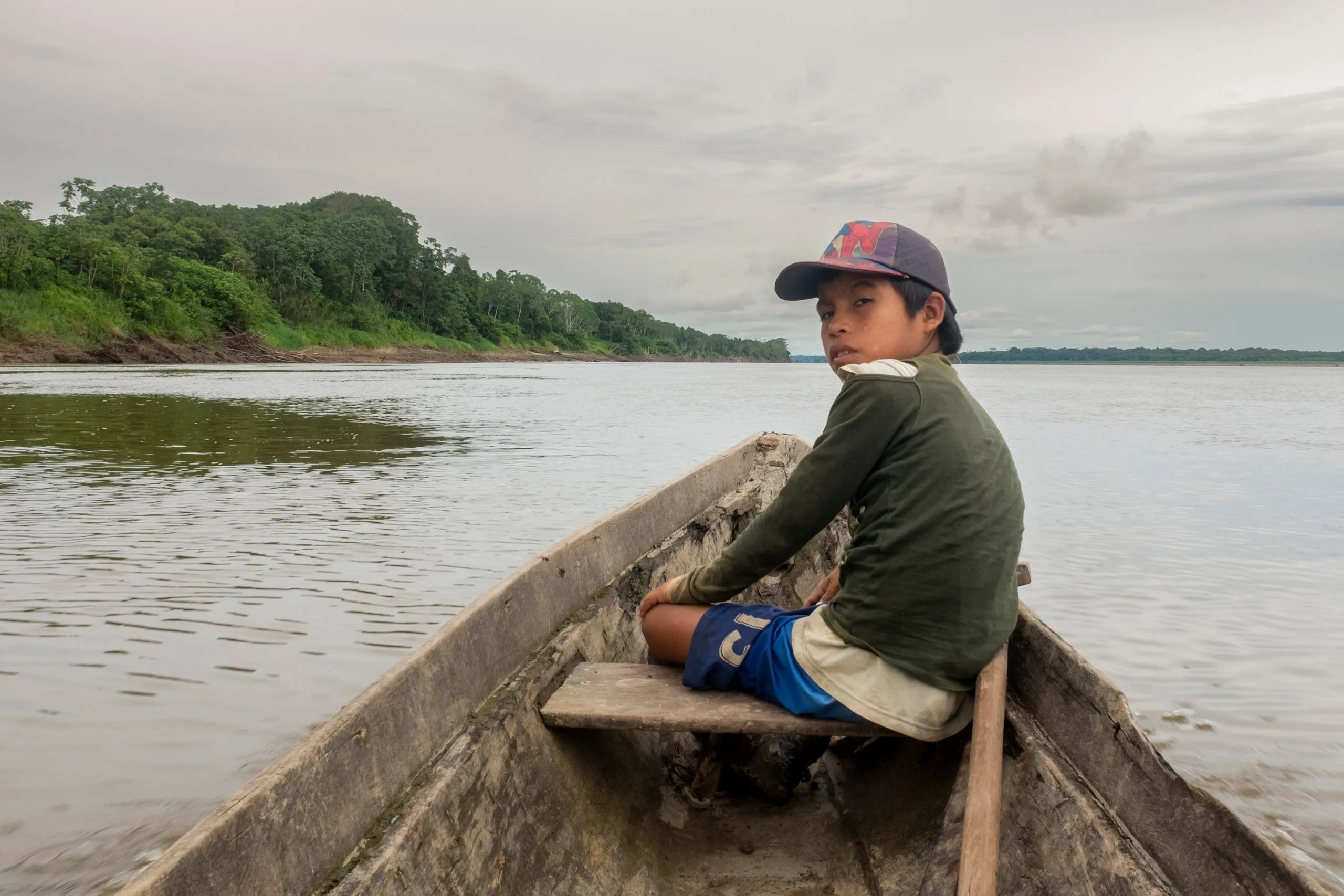
The foundation of the model. Together with each community, we adapt and install climate-resilient water, sanitation and hygiene systems (CR-WASH) and support the creation of its Water, Sanitation and Environment Committee (CASA), which runs the system and cares for the ecosystem it depends on. We are currently implementing it in San José de Parinari, a Kukama-Kukamiria community in Loreto.
Level 2: Regional network
Community organizations tend to work alone. That is why we are building a regional network of native communities, with unified bylaws and access to funding. Through inter-community, municipal and regional work, we want the CASAs to go from acting in isolation to having a voice and weight in the decisions that affect their territory. We believe water can be the great common good that keeps this alliance alive.
Level 3: Public policy
Law No. 32065 sets out measures to ensure universal access to drinking water in Peru, but the rural Amazon needs differentiated models that communities can sustain. Water Guardians puts the law into practice and, together with academia and multilateral partners, generates evidence of how community governance can help fulfil it. Our aim is for Water Guardians to become a long-term, sustainable State program.

Four pillars support the work of Water Guardians in each community. Together, they turn access to safe water and sanitation into a change that each community can lead and sustain on its own.
CR‑WASH infrastructure
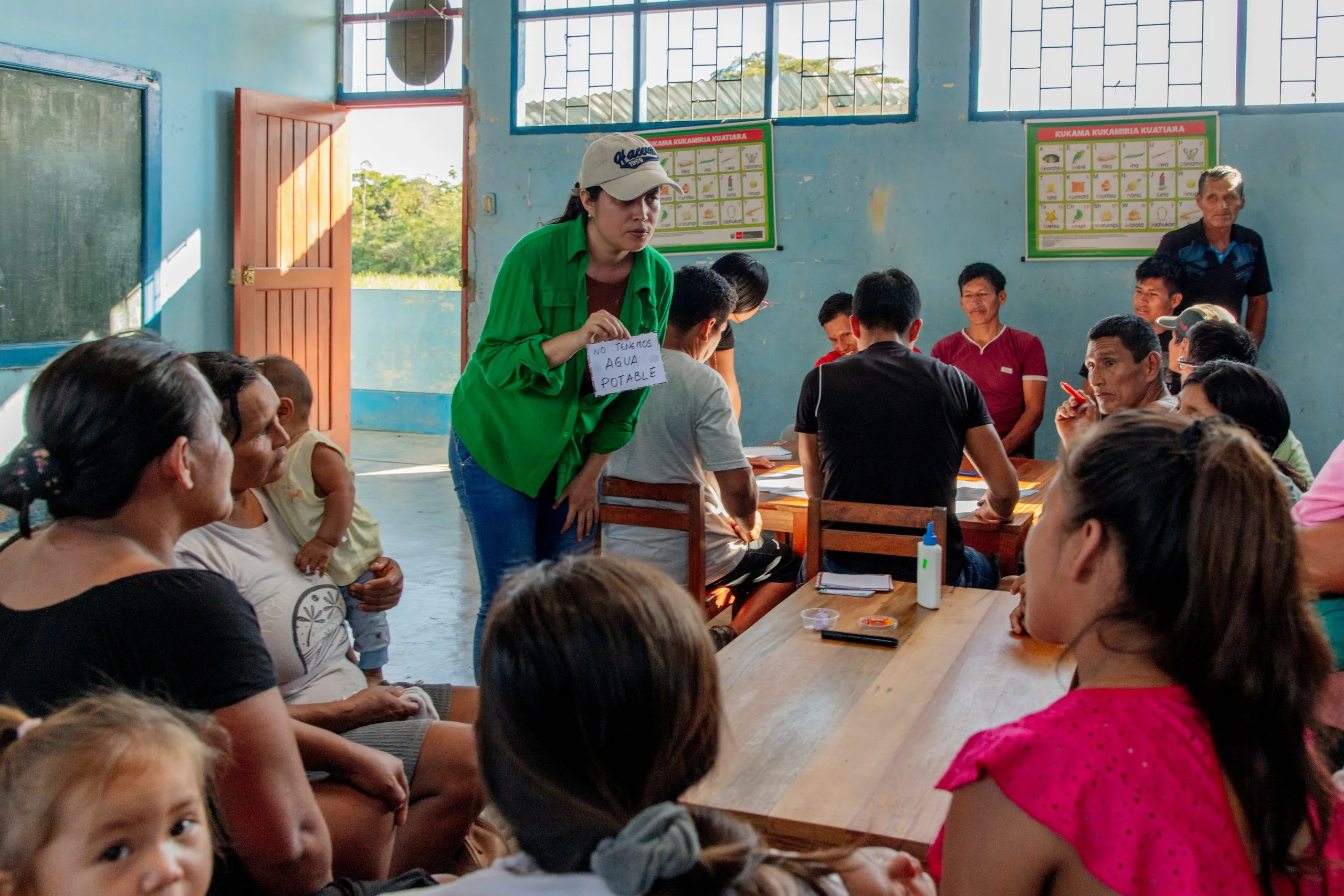
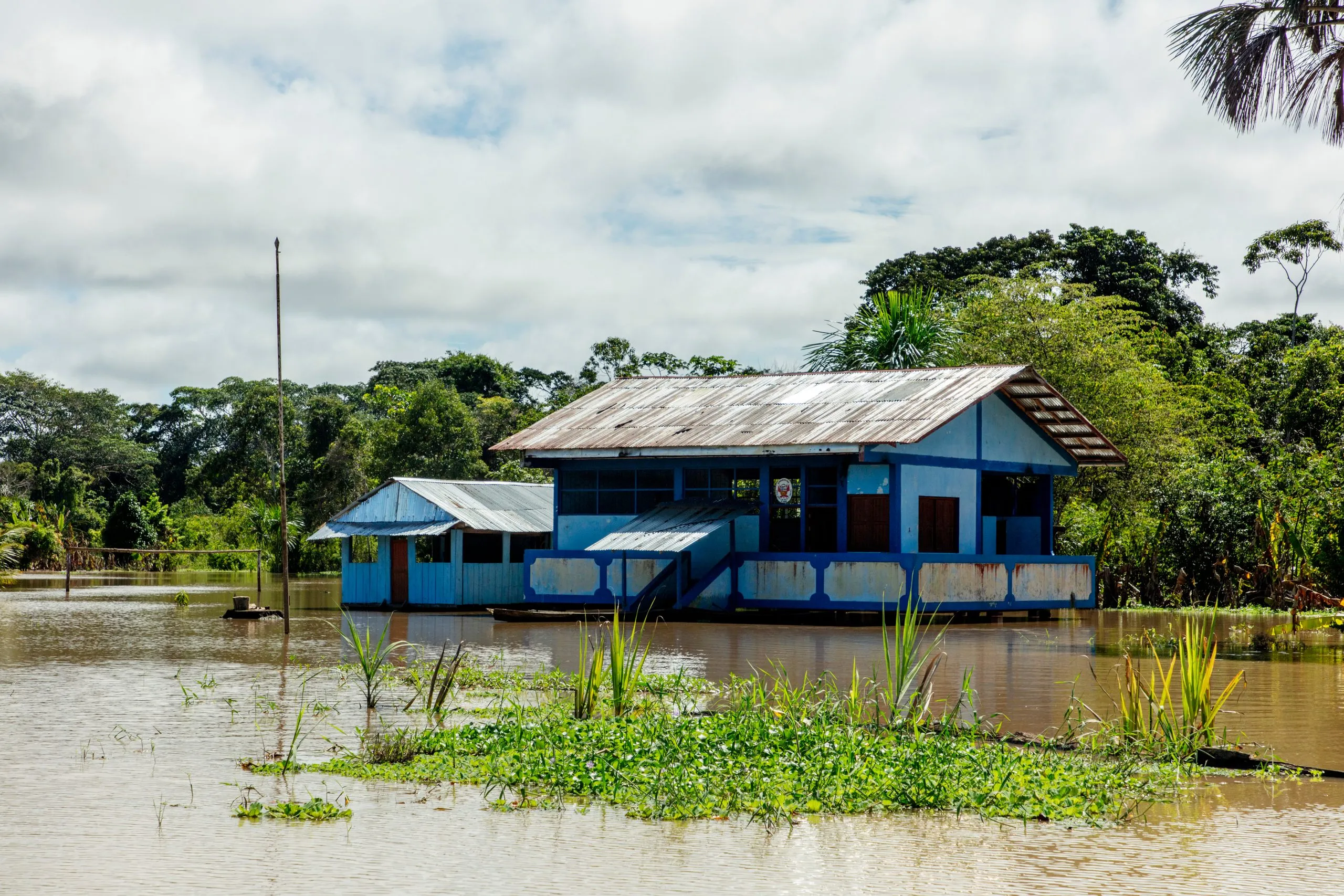
Water, sanitation and hygiene systems adapted to the environmental and social dynamics of the Amazon. They are designed with each community to withstand floods, dry seasons and other extreme weather events.
Local governance
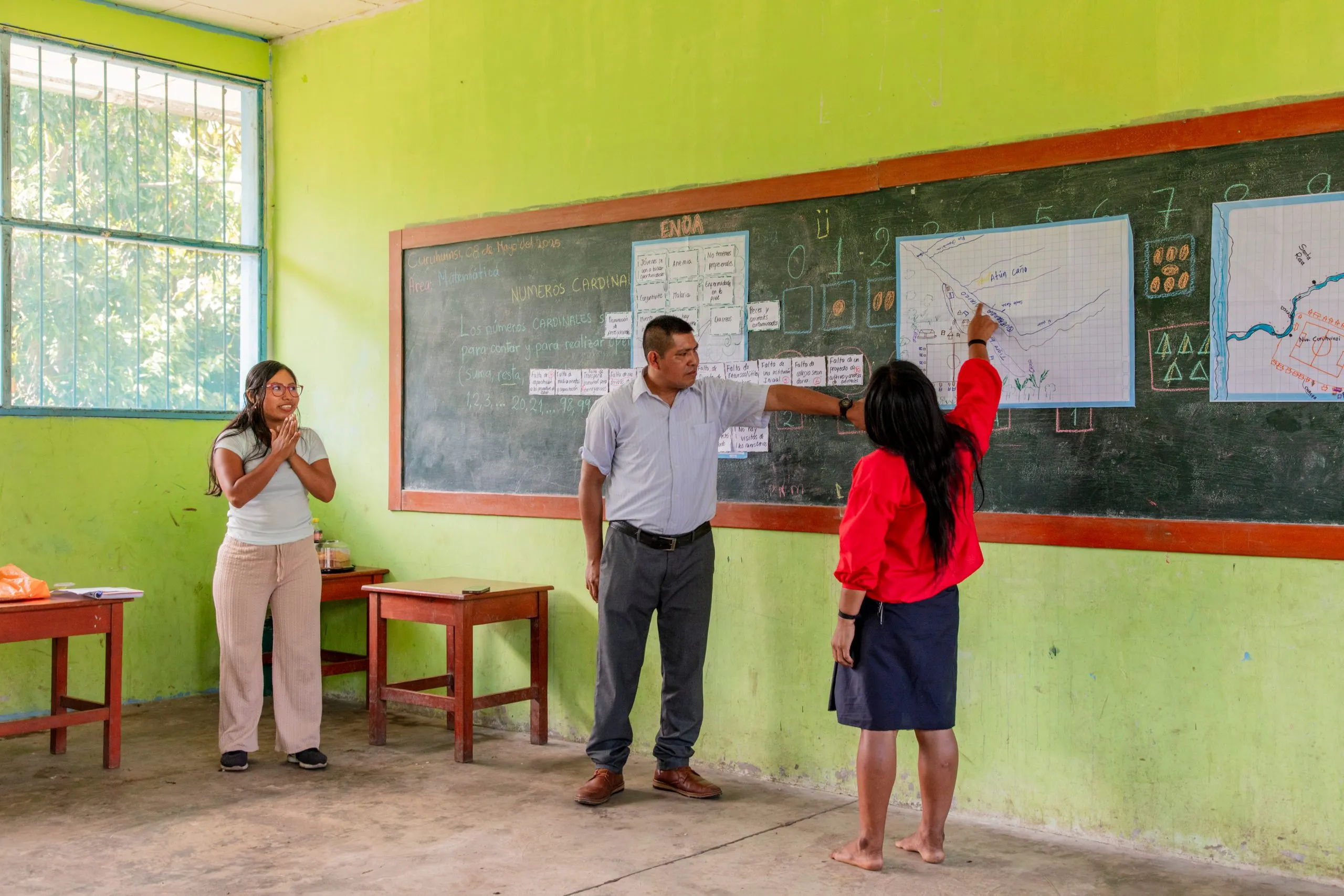
We strengthen communities to manage their water and sanitation systems (grey infrastructure) and care for the ecosystem their water depends on (green infrastructure), through a community organization that maintains them and is responsibly accountable.
Ecosystem protection
We promote solutions that strengthen water security and ecosystem conservation in the face of climate variability. We support residents in monitoring and protecting the watershed their water depends on.
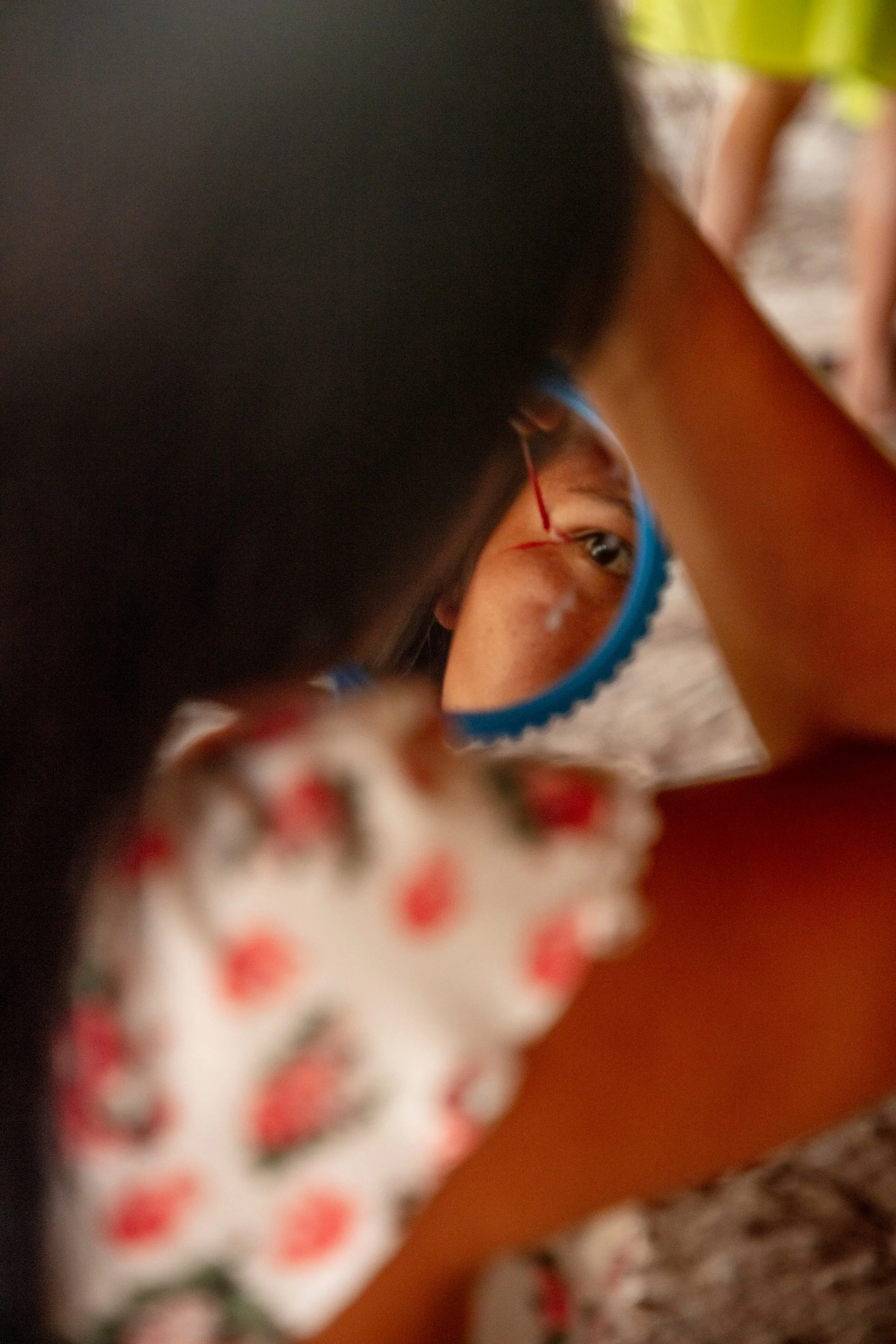
Cultural identity
Communities tell their own story through art: photography, exhibitions, residencies and immersive media. In this way, the contemporary reality of the Amazon reaches audiences around the world.